

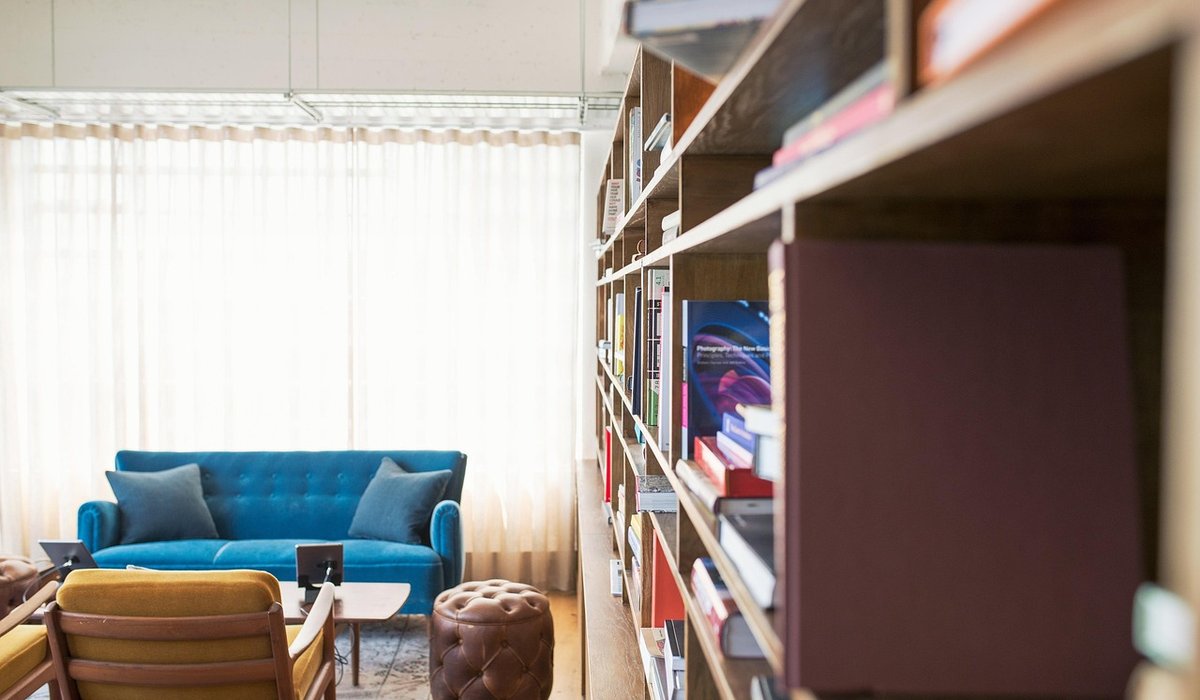
Why Natural Materials Suit Smaller Homes
In a compact flat or a narrow terrace, every surface sits within touching distance. You brush past the wall on the way to the kettle, your knee grazes the coffee table, your hand rests on the arm of the sofa. That closeness is exactly why natural materials earn their place. Wood, wool, linen and stone carry texture, variation and a gentle irregularity that painted MDF and glossy laminate simply cannot imitate, and in a small room that tactile quality matters more, not less.
They also age honestly. Timber develops a patina, linen creases and softens, stone dulls where it is touched most. In a small space, where one poorly chosen piece can dominate the whole room, materials that improve with use are a sound investment rather than a gamble.
Begin with Wood
Wood is the quickest route to warmth, and you do not need new flooring to benefit. If you already have floorboards, sanding and sealing them with a hardwax oil rather than a thick plastic-looking varnish keeps the grain visible and the tone honeyed instead of orange.
- Choose one dominant timber tone per room. Mixing pale ash with dark walnut in a small space chops the view into fragments.
- Upgrade where it counts: a solid oak side table, a wooden chopping board, a simple timber picture frame.
- Bring wood in at height as well as floor level. A slim floating shelf, a wooden curtain pole or a peg rail by the front door all add warmth without stealing floor space.
- Consider reclaimed or offcut pieces for tight hallways. A 60cm oak bench does more for the feel of a narrow entrance than another flat-pack shoe cabinet.
If a whole floor is out of reach, start small. A wooden tray on the ottoman, wooden handles on kitchen cupboard doors, or a butcher's block left out on the worktop will shift the mood of a room surprisingly fast.
Layer in Wool and Other Animal Fibres
Wool is the workhorse of a cosy home. It regulates humidity and temperature, which is why a wool blanket feels comforting in October and still breathable in May. In practice, that means a sheepskin draped over a hard dining chair, a wool runner along a chilly hallway, and felt pads under furniture legs to soften the scrape of a chair on floorboards.
In small rooms, keep textiles tonal and textural rather than patterned. Three throws in oatmeal, charcoal and rust will read as far richer than one busy print, and they will not fight the architecture. Store them where you can see them: folded in an open basket, draped over the back of a chair, or layered at the foot of the bed. Softness on display makes a room feel inhabited, while softness hidden in a cupboard does nothing at all.
Use Linen to Soften Light and Sound
Linen is where a room begins to breathe. Hang curtains high and wide, ideally 15 to 20cm above the window frame and extending 20cm beyond each side, so the window reads larger and the walls feel taller. Unlined linen in a warm neutral filters daylight instead of blocking it, and it absorbs the echo that hard-floored flats suffer from.
- Washed linen for cushion covers and throws. It creases beautifully and improves with every wash.
- A linen or cotton runner to break up a long dining table in a narrow room.
- A linen lampshade in a drum or empire shape to spread a softer pool of light than a bare bulb.
Mix linen with wool rather than replacing one with the other. A linen cushion against a wool throw gives you contrast in both texture and weight, which is what stops a neutral scheme from looking flat.
Ground the Scheme with Stone, Clay and Ceramic
Stone and clay introduce weight, and small rooms benefit from a little weight at eye level because it anchors the space and stops it floating. A stone coaster, a terracotta pot, a handmade ceramic vase or a stoneware lamp base will all do the job, and a splashback of glazed tiles can carry the whole kitchen.
Limewash or clay paint on the walls is a similar move on a larger scale. The chalky, matte finish has a subtle movement to it, and it absorbs light rather than bouncing it back, which flatters both compact rooms and the uneven walls of older houses. In a north-facing room, choose warm pinks, ochres and greiges rather than grey, which will only make the space feel colder.
Mixing Materials Without Making a Room Feel Busy
The trick is restraint. A few rules will keep a small space cohesive:
- Limit yourself to three materials per room, for example oak, wool and linen.
- Repeat each material at least twice so the scheme reads as deliberate rather than accidental.
- Vary texture, not colour. Smooth ceramic next to rough wool next to grainy wood.
- Keep the palette warm and tight: cream, clay, oatmeal, deep green or brown.
- Let one hard surface meet one soft surface at every seating point, such as a stone coaster on a wooden table or a wool cushion on a leather chair.
Swap textiles with the seasons rather than buying new furniture. Wool, sheepskin and heavier linen carry you through autumn and winter; cotton, lighter linen and ceramic accessories come out in spring. Store the rest in a lidded basket or an under-bed box so a small flat never tips into clutter.
Finally, look after what you own. Oil wooden surfaces once a year, air wool outside on a dry day, wash linen at a low temperature, and reseal stone worktops when water stops beading on them. Natural materials reward a little maintenance with years of quiet comfort, and that is precisely the kind of warmth a small home needs most.


Coding is used in almost all aspects of life and work now, be it directly or indirectly. It’s not just for companies in the tech sector. “An increasing number of businesses rely on computer code,
Coding is used in almost all aspects of life and work now, be it directly or indirectly. It’s not just for companies in the tech sector. “An increasing number of businesses rely on computer code,
Coding is used in almost all aspects of life and work now, be it directly or indirectly. It’s not just for companies in the tech sector. “An increasing number of businesses rely on computer code,