

Why Spring Feels Like a Deep Breath for Your Home
By the time March arrives, most of us have been living under a small mountain of fleece, wool and velvet for months. The heating has been on since October, the curtains have stayed closed against the dark, and every surface seems to have acquired a candle or a hot water bottle. It has been lovely — genuinely lovely — but there comes a morning when the light coming through the window looks different. Softer. Longer. And suddenly that chunky knitted throw draped over the sofa feels less like comfort and more like clutter.
Spring isn't about throwing everything out and starting again. It's about a gentle handover. You're not redecorating; you're editing. The goal is a home that still feels warm and enveloping, but a little lighter, a little fresher, and rather more awake. Here's how to do it in a way that suits real rooms, real budgets and small spaces especially well.
Start with Textiles: Out with Heavy, In with Light
Textiles do more for the mood of a room than almost anything else, and they're the easiest thing to change. Begin by stripping back the layers you added in autumn. That faux-fur blanket, the tartan cushion, the thick wool rug in front of the fire — these can be washed, folded and stored in a vacuum bag under the bed or on top of a wardrobe until October.
In their place, bring in cotton, linen and light waffle weaves. A few specifics that work beautifully:
- Swap brushed cotton bedding for crisp cotton percale or a linen-blend duvet cover in white, oatmeal or a soft sage.
- Replace heavyweight curtains with lighter cotton or linen curtains — or keep the curtains but add a sheer voile layer that filters light rather than blocking it.
- Change cushion covers rather than cushions. Two or three cotton covers in warm neutrals cost very little and completely refresh a sofa.
- Lay a flatweave cotton rug over the top of a plain carpet to break up the colour without adding weight.
- Consider a light quilted bedspread instead of a duvet and heavy cover for the transitional weeks when nights are still chilly.
The golden rule for a cosy spring interior is texture over weight. You want things that feel interesting under the hand — slubby linen, fine ribbing, a little embroidery — without the bulk that reads as winter.
Let the Daylight Do the Work
Spring light is generous but fleeting, and it's astonishing how much of it we accidentally block. Before you buy a single new thing, spend an afternoon undoing winter's defences.
Pull furniture a few inches away from windows so nothing is casting a shadow into the room. Take down any heavy valances or pelmets if you can. Clean the windows properly, inside and out — grimy glass can cut the light coming in by a noticeable amount, and it's the cheapest upgrade you'll make all season. Wash or vacuum the curtains themselves; dust holds a surprising amount of dullness.
Now, mirrors. A well-placed mirror opposite a window doubles the light in a small room, which is why they're such a staple in flats and box rooms. Position one to bounce light towards the darker end of the space, and keep the frame simple — a slim wood or rattan edge rather than something ornate and heavy.
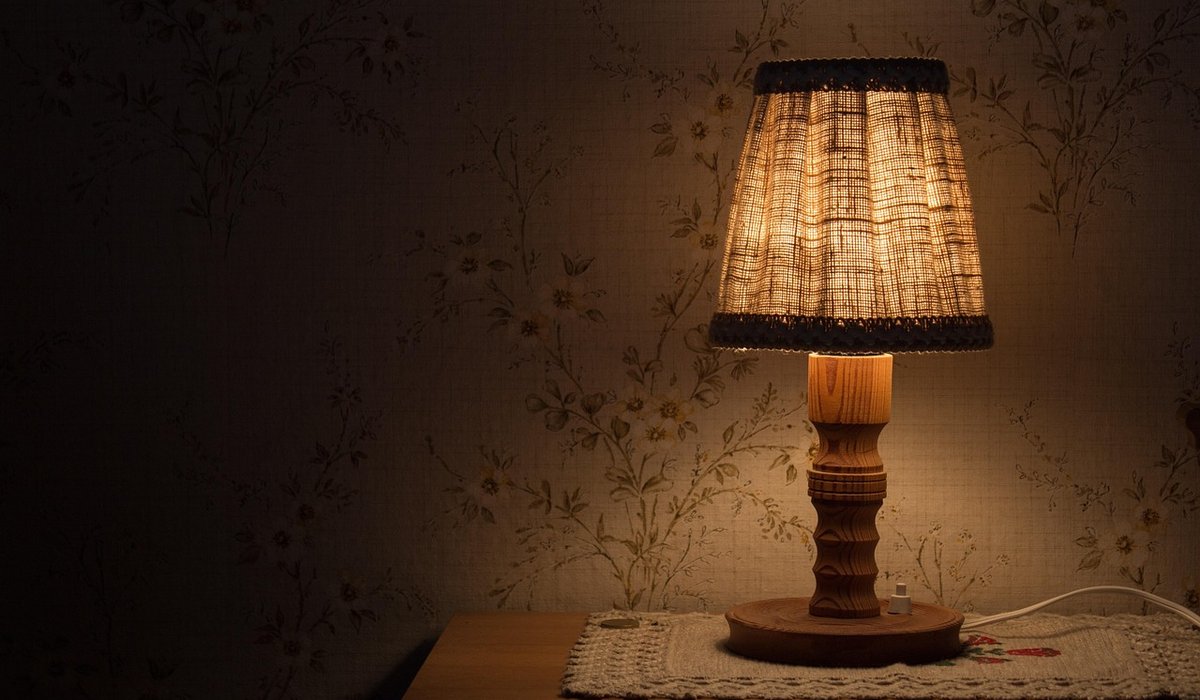
Finally, be honest about lampshades. If your shades are dark or lined, the lamps reading as pools of gloom won't help. Swap to unlined cotton or linen shades in cream or off-white, and switch to warm white bulbs at around 2700K so the light still feels golden rather than clinical.
Fresh Flowers, Real or Otherwise
Nothing says spring quite as plainly as a bunch of daffodils on a kitchen windowsill, and the beauty of it is that it costs the price of a coffee. You don't need an elaborate arrangement. A single stem in a small bottle on a bedside table, or a jam jar of tulips by the sink, does more for a room's atmosphere than another cushion ever will.
If you'd rather not maintain fresh flowers, dried stems in soft muted tones — pampas, bunny tails, eucalyptus — work well and last indefinitely. A few houseplants also earn their place now, particularly in small spaces where a plant can add life and height without taking up floor room. A trailing pothos on a high shelf or a small fern on a bathroom windowsill are both forgiving choices.
Do remember to change the water every couple of days. Drooping, murky flowers do the opposite of what you intended.
Declutter the Surfaces, Keep the Comfort
Winter clutter is cosy clutter — stacks of books, mugs, blankets, candles, the half-finished puzzle. By spring it starts to feel like noise. A simple reset of surfaces will make a small room feel considerably larger.
Clear coffee tables and bedside tables down to one or two objects you genuinely love, plus a coaster and a lamp. Store the rest in a basket or a lidded box; you're not getting rid of it, just giving it a home. In compact flats, look for storage that does double duty — an ottoman that holds blankets, a bench by the door with shoes underneath, a shelf above a doorway for rarely used items.
Keep one or two things that still signal comfort: a favourite candle, a soft blanket folded neatly over an arm, a well-worn armchair. Cosiness and clutter are not the same thing, and spring is the perfect moment to prove it.
Small Touches That Shift the Whole Mood
Once the heavier layers are gone and the light is coming through, a handful of small changes will finish the job. A lighter scent in the room — citrus, cut grass, white tea — reads as spring in a way that cinnamon and clove simply can't. A new tea towel in a bright check. A framed print swapped for something with more colour. The front door mat given a good scrub and the hallway's coat pile thinned out.
None of this needs to happen in one weekend. Work room by room, and be led by how the space feels rather than by a checklist. Warmth in a spring home doesn't come from wool and blankets — it comes from light, texture, and the sense that the place is breathing again. Give it a little air, and it will do the rest.


Coding is used in almost all aspects of life and work now, be it directly or indirectly. It’s not just for companies in the tech sector. “An increasing number of businesses rely on computer code,
Coding is used in almost all aspects of life and work now, be it directly or indirectly. It’s not just for companies in the tech sector. “An increasing number of businesses rely on computer code,
Coding is used in almost all aspects of life and work now, be it directly or indirectly. It’s not just for companies in the tech sector. “An increasing number of businesses rely on computer code,